
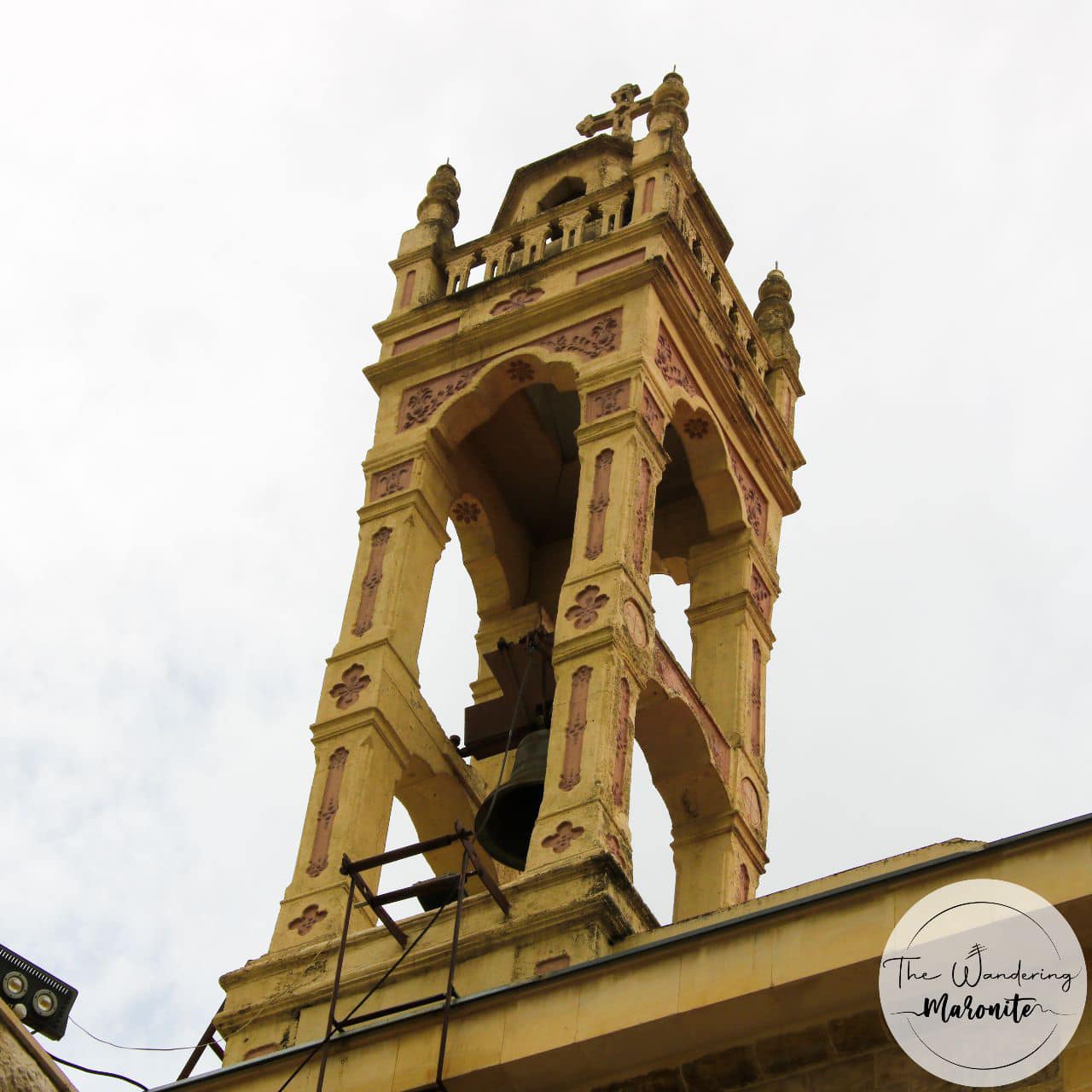
Zahle – The monastery of St. Anthony the great

Monastery of Saint Anthony the Great Zahleh Lebanese maronite order (saint antoine le grand), Zahlé, Lebanon

Other Details

دير مار أنطونيوس الكبير

Zahlé Mar Antonios

Zahle

Bekaa

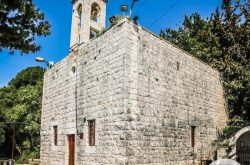
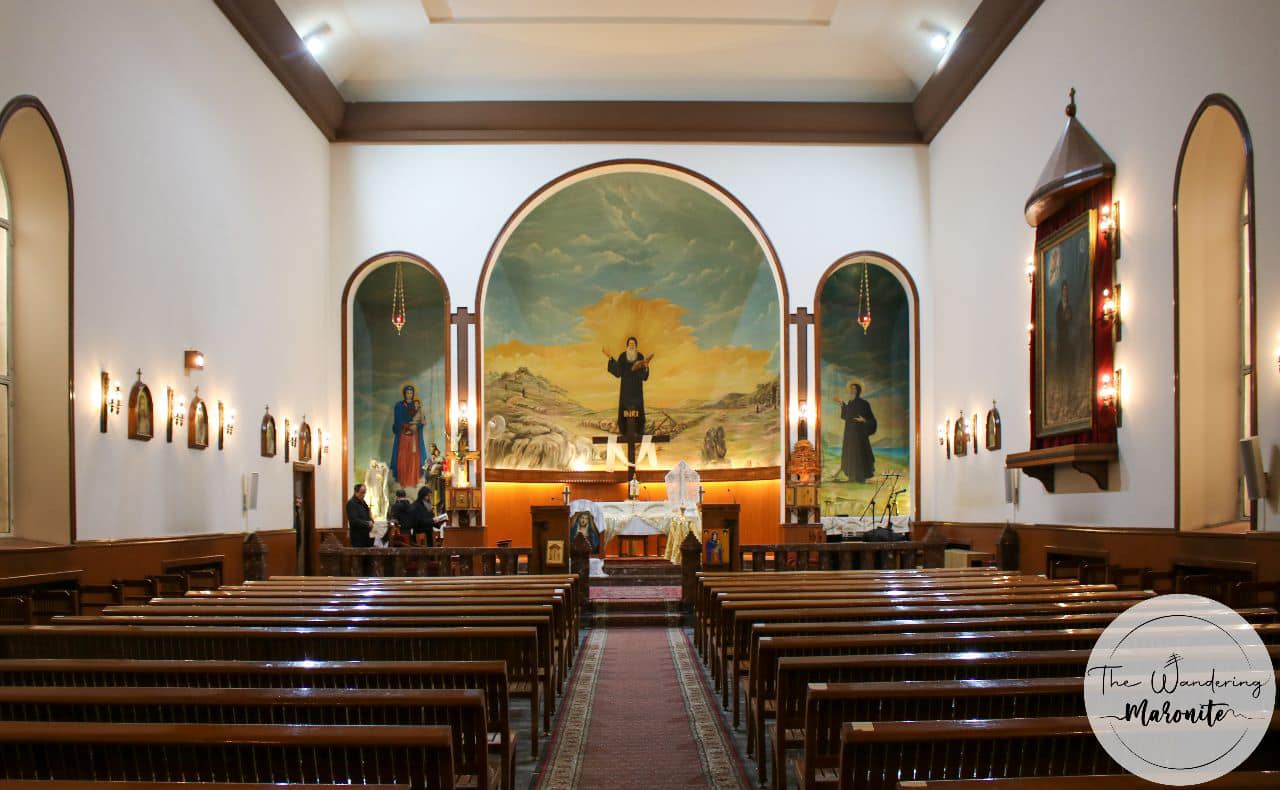
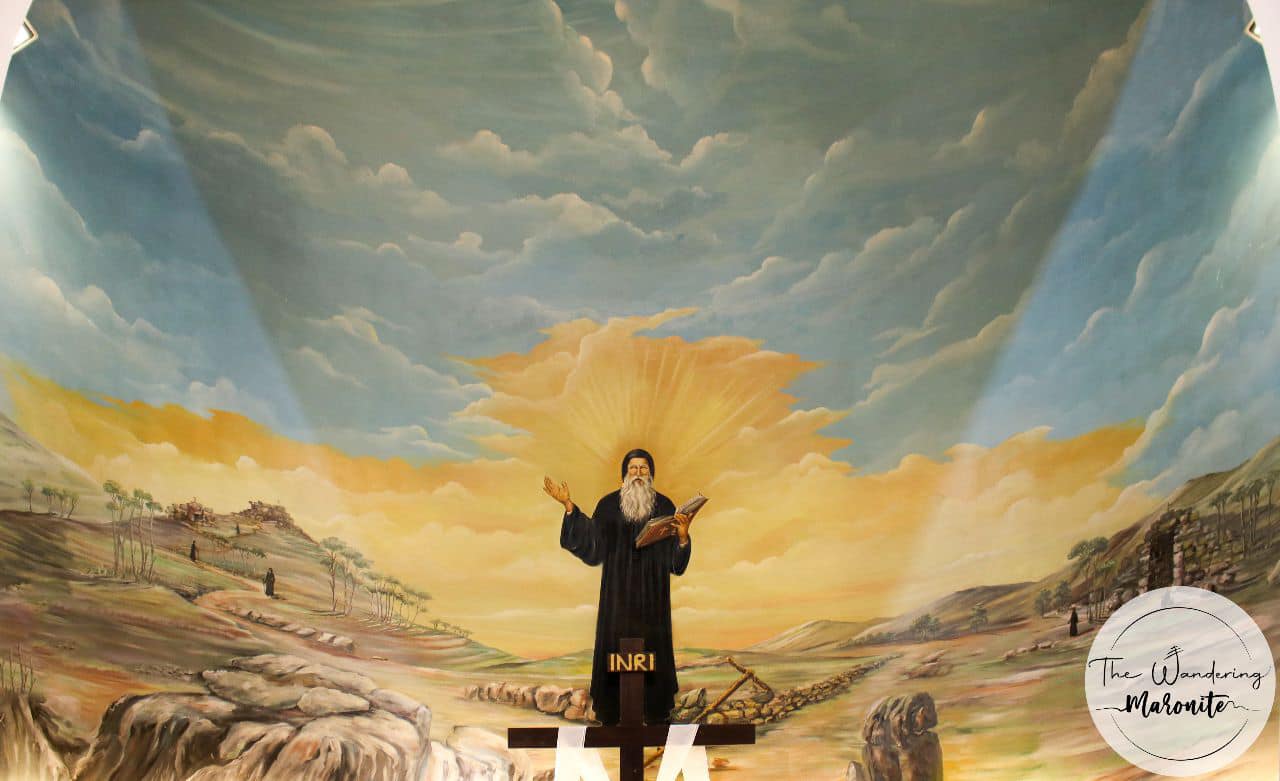
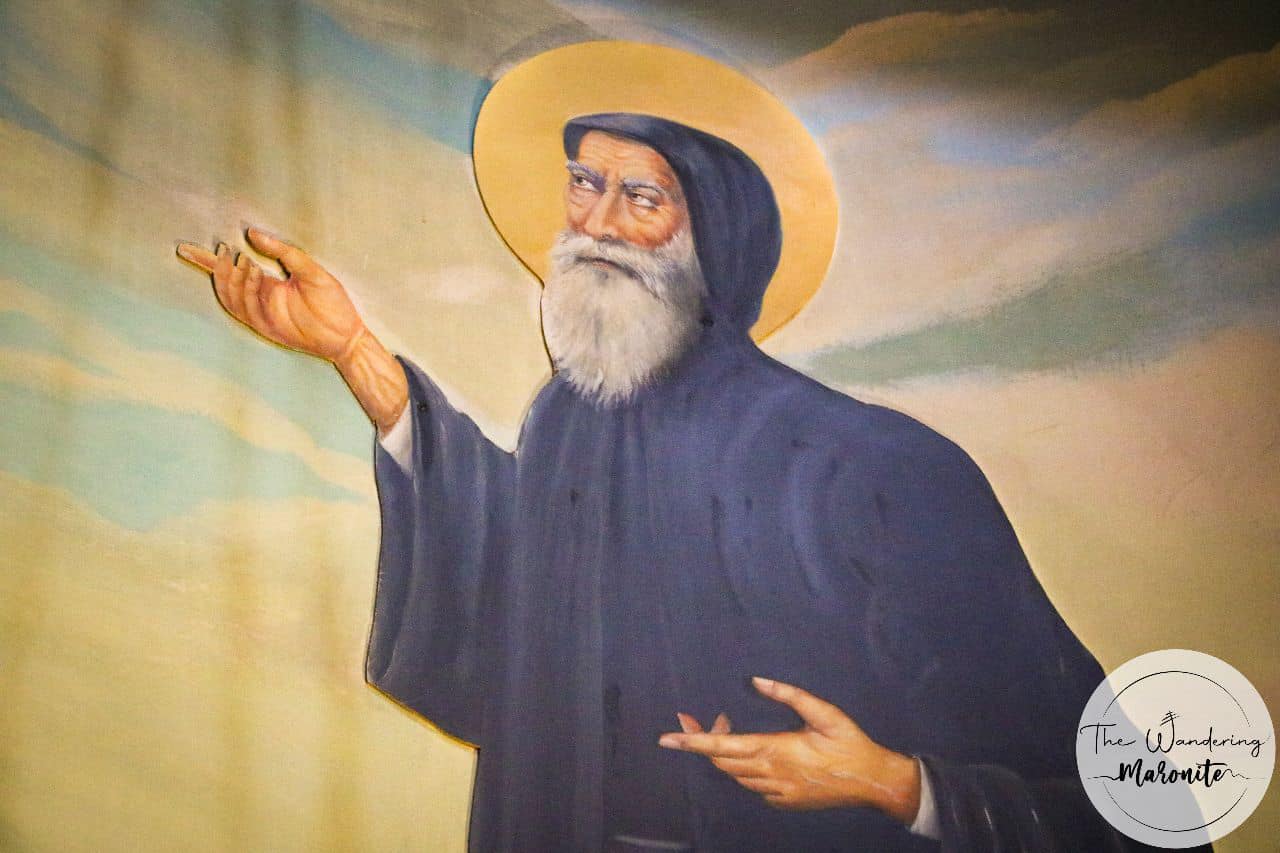
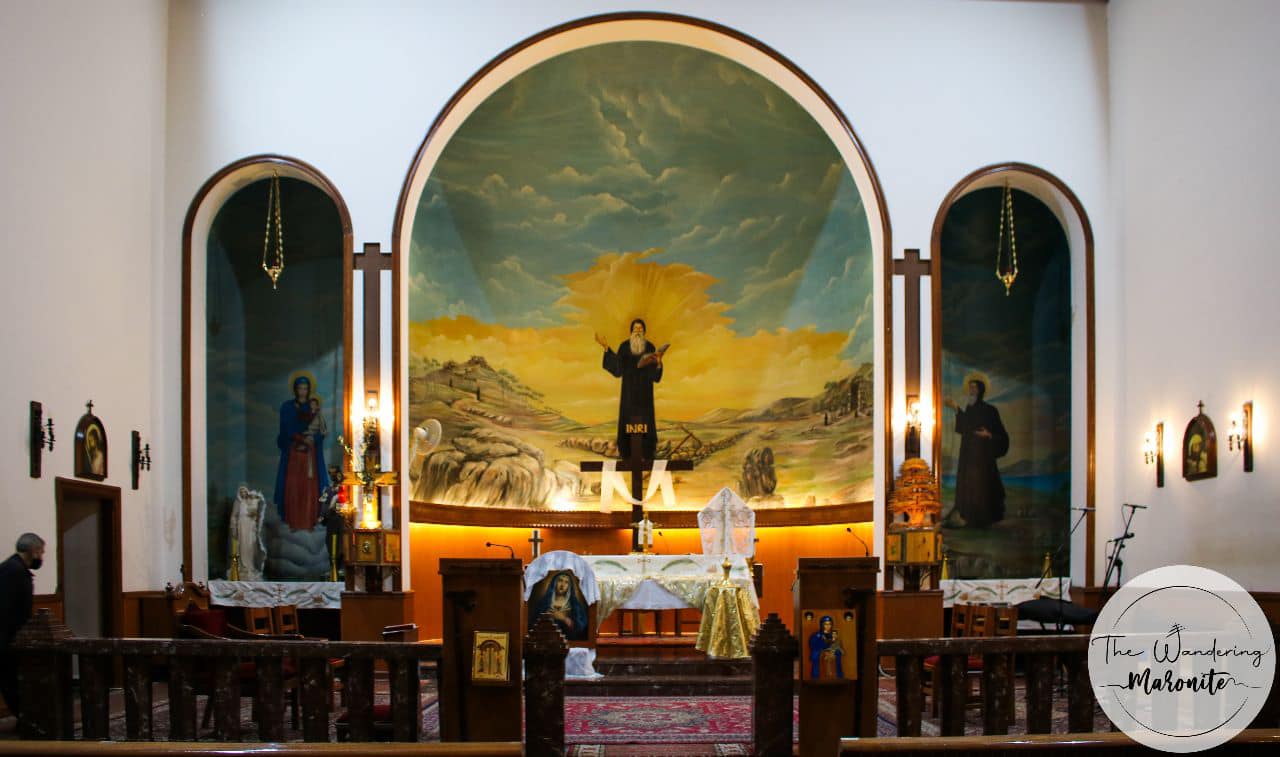
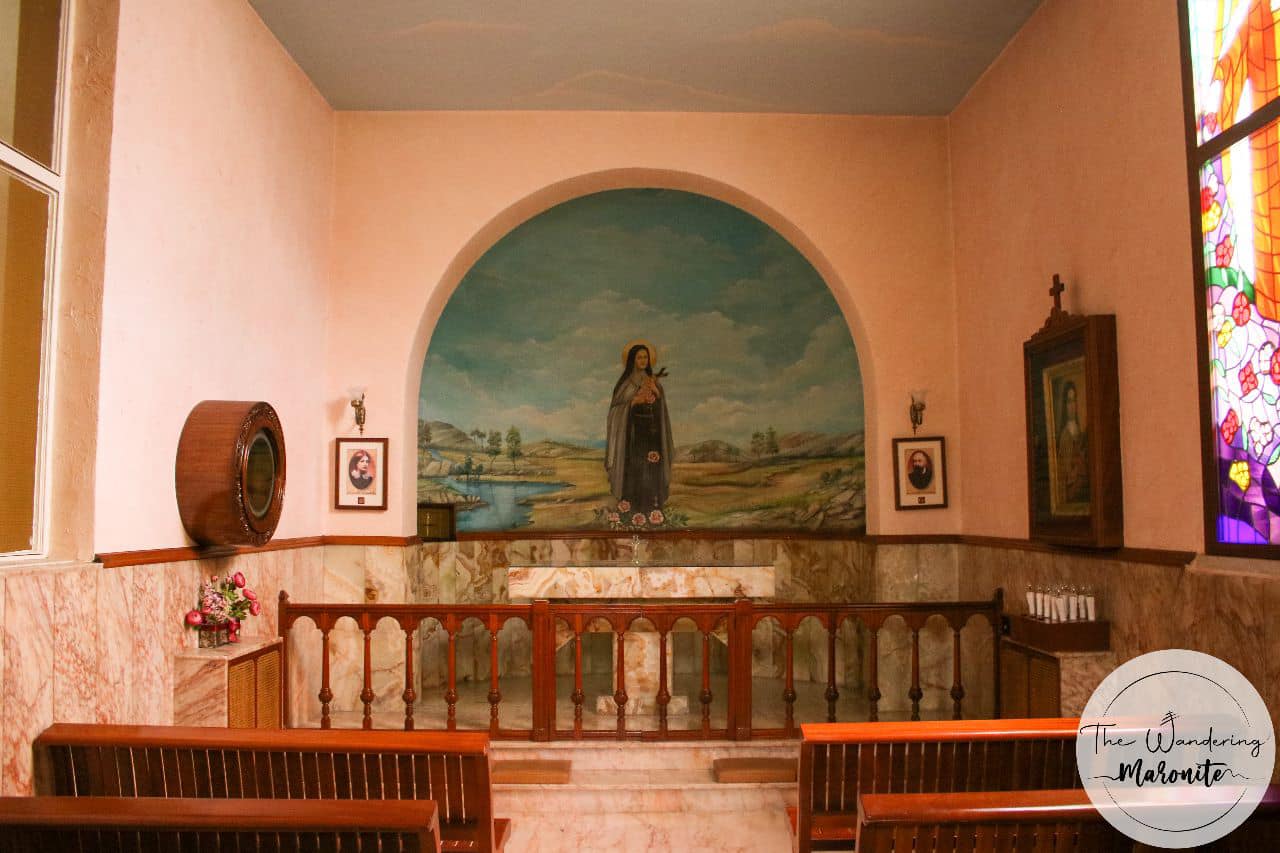
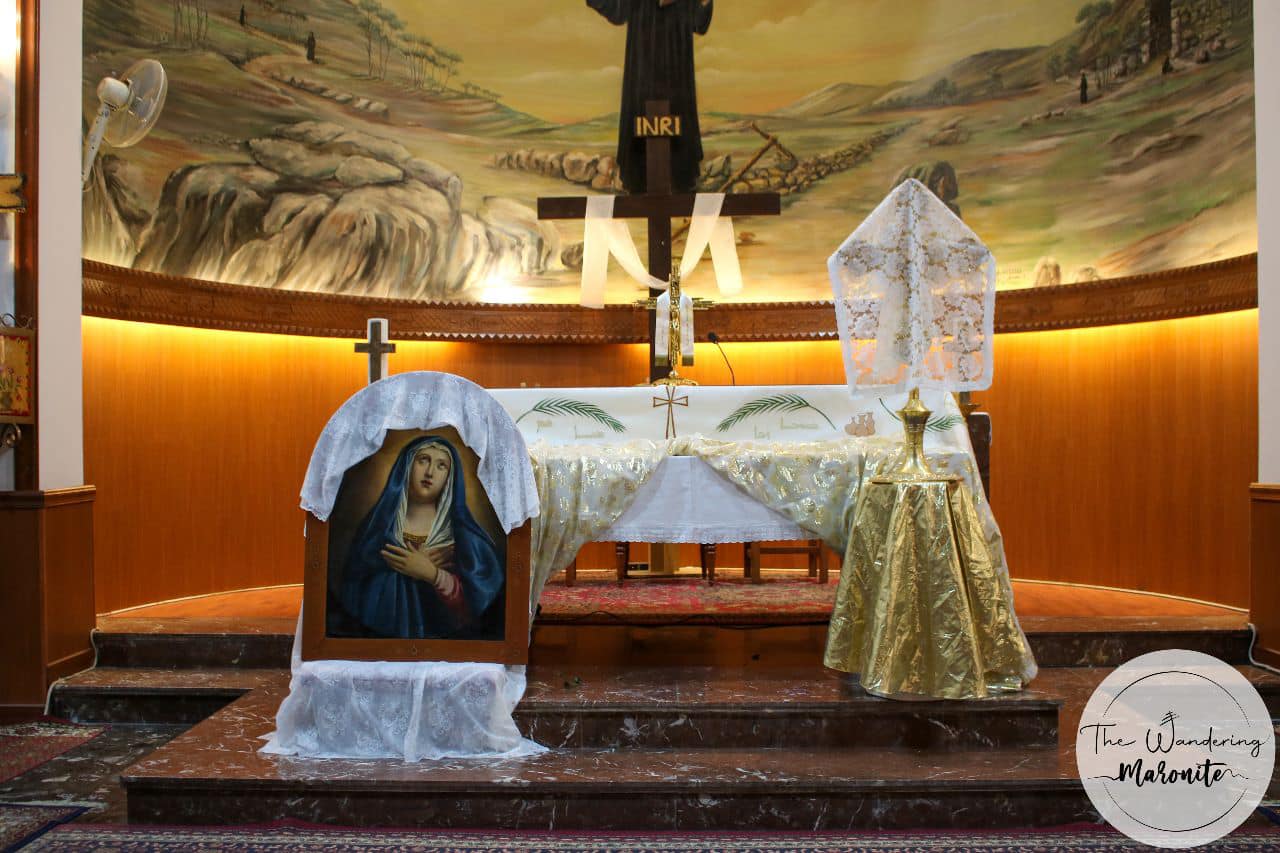
دير مار أنطونيوس الكبير - زحلة تأسّس الدير في عام 1771 من قِبل مجموعة من الرهبان الموارنة الذين كانوا يسعون إلى إنشاء مكان للعبادة ل في قلب مدينة زحلة لخدمة المجتمع المارونيّ المحلي. نما دير القديس أنطونيوس على مرّ القرون في الحجم والأهميّة وأصبح مركزًا للعلم والروحانيّة. ورغم تعرّضه للحروب والغزوات والزلازل، إلّا أنه تم إعادة بنائه وترميمه عدة مرّات. تُعدّ كنيسة القديس أنطونيوس نقطة المحور في الدير، حيث تم بناؤها في منتصف القرن العشرين فوق الكنيسة الأصلية. ويتميّز الداخل بلوحات جداريّة رائعة ونوافذ زجاجية ملونة برسوم الفنان اللبناني أسعد رنّو. في الكنيسة مقام جانبي صغير مخصص للقديسة تيريزا. تشتهر مكتبة الدير كذلك بمجموعتها الضخمة من الكتب والمخطوطات والتحف القديمة. وبشكل عام، يُعدّ دير القديس أنطونيوس موقعًا ثقافيًا وروحيًا مهمًّا في زحلة، له تراث غنيّ يجذب الزوار من جميع أنحاء العالم. The monastery of St. Anthony the great - Zahle The monastery was established in 1771 by a group of Maronite monks with the intention of creating a place of worship and reflection for the local Maronite community in Zahle. Throughout the years, it has grown in both size and significance, developing into a hub for learning and spirituality. Despite experiencing wars, invasions, and earthquakes, the monastery has been reconstructed and renovated multiple times. The focal point of the monastery is the church of St. Anthony, which was built in the mid XXth century over the original church. The interior is decorated with stunning frescoes, stained glass windows created by the Lebanese artist Assaad Renno, and intricate altars. The church has a small lateral chapel dedicated to St. Therese of Lisieux. Another noteworthy feature of the monastery is its library, which houses an extensive collection of books, manuscripts, and ancient artifacts. Overall, the monastery is a significant cultural and spiritual site in Zahle, Lebanon, with a rich heritage that continues to attract visitors from all over the world.

Visited 14077 times, 5 Visits today

Reviews are disabled, but trackbacks and pingbacks are open.

Related Listings

Hardine – The Church of St. Chaina

Mar Shina Church parish, Hardine, Lebanon

كنيسة مار شينا

Hardine

Batroun

North

كنيسة مار شينا - حردين

أواسط القرن التاسع عشر أصبح أهالي حردين بحاجةٍ لكنيسةٍ رعائيّةٍ كبيرةٍ، فجاء بناء كنيسة مار شينا بعقدٍ مُصالب سنة ١٨٤٤. ومار شينا هو لقبٌ سريانيّ لأبراميوس الأنطاكي الذي كان لصًّا متنكرًا بزيّ راهبٍ أراد سرقة ديرٍ للراهبات فحدثت معجزة شفاءٍ غيّرت حياته من لصِّ إلى ناسك. هذه المعجزة خلدتها لوحة الكنيسة وهي من عمل الحبيس ليشع الحرديني شقيق القديس نعمة الله. رُمّمت الكنيسة سنة ١٩٩٨ بعد إعلان تطويب مار نعمة الله، وهي الكنيسة التي شهدت على طفولته وخدم مذبحها.

The Church of St. Chaina - Hardine

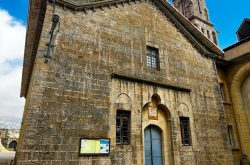
During the mid-19th century, the villagers of Hardin felt the need for a parish church. The construction of a magnificent cross-vaulted structure was completed in 1844. The church was dedicated to St. Chaina, a 4th-century thief named Abramius of Antioch, who, after attempting to raid a nunnery disguised as a monk, witnessed a miracle that led to his conversion. This miracle is depicted in a painting hanging in the church's apse, which was created by the hermit Fr. Lichaa el Hardini, the brother of St. Nematullah. The church was restored in 1998 following the beatification of Fr. Nematullah, who had been a child and an altar boy in this very church.

Yanouh – The blue monastery of St George

Mar Gerges Blue Yanouh, Mghayra, Lebanon

دير مار جرجس الأزرق

Yanouh Jbayl

Jbeil

Mount Lebanon

دير مار جرجس الأزرق - يانوح

البناء أساسًا كان معبدًا فينيقيّ ثمّ رومانيّ. عُرف بالأزرق نسبةً للون الحجر الكلسيّ. مع قدوم المسيحيّة حُوّل المعبد إلى ديرٍ على اسم مار جرجس وكان الأكبر في جبّة المنيطرة. إختاره البطريرك يوحنّا مارون الثاني مقرًّا له سنة ٧٥٠، وذلك لصعوبة الوصول إليه، ولأن يانوح بحسب البطريرك الدويهيّ: "كانت من أشرف المجالِس في جِبَة المنيطرة وأهلها كثيرو العِبادة والغيرة". بقيت يانوح مقرًّا بطريركيًّا شبه ثابتٍ
ما بين ٧٥٠ و١٢٧٧، لأن البطاركة تنقلوا مابين سنتيّ ١١٢٠ و١٢٠٠ بين ميفوق وهابيل ولحفد. بنى البطاركة بقرب المعبد كنيسةً صغيرة خاصة للبطاركة وأقبية وغرف. وبنوا كنيسة السيّدة خارج المحلّة. أقام البطاركة في يانوح، ما مجموعه أربعماية واثنتان وثلاثون سنة، منها ثلاثمائة وسبعون سنةً متواصلةً دون إنقطاع. مع قدوم الصليبيّين في عهد البطريرك يوسف الجرجسيّ إستبشر الموارنة خيرًا بحسب ابن القلاعي، فأُعيد اتصالهم بروما، وعاشوا فترةً من الإزدهار، ويذكر التاريخ أنّه في تلك الحقبة إستبدل الموارنة نوافيس الخشب بنواقيس حديدٍ في يانوح. لكنّ الفترة الصليبيّة شهدت العديد من القلاقل والمعارك ممّا استدعى تنقلاتٍ عديدةٍ للبطاركة واتخاذهم عدّة مراكز. ومع رحيل الصليبييّن وحملة المماليك أُحرقت يانوح، ولم تُجرى أبحاث أركيواوجيّة على الموضع لحين الإنتداب الفرنسيّ بداية القرن العشرين.

The blue monastery of St George - Yanouh

The building was originally a Phoenician than a Roman temple consecutively. With the locals conversion to Christianity the temple was consecrated as a church dedicated to St George. In 750 Yanouh was chosen as a patriarchal seat, it remained a nearly consistent seat between 750 and 1277. The patriarchs built near the temple a patriarchal chapel, many vaults and cells and the church of the Virgin Mary outside of the complex. With the Crusades during the pontificate of Patriarch Youssef el Gergesy, the Maronites entered a golden age, they reconnected with Rome. Yet the latter Crusader’s period saw unrest and struggles, that was the reason why many patriarchs used to change residences. In 1277 the patriarchs moved out of Yanouh. The seat was completly abandoned after the Crusaders left and the Mamluk’s campaign that destroyed the village. The site was excavated by the french archeological missions in the early XXth century.

Daraya – The church of Our Lady

Daraya, North Governorate, Lebanon

كنيسة السيّدة

Daraiya Zgharta

Zgharta

North

كنيسة السيّدة - داريّا

بُنيت الكنيسة سنة ١٨٦٠ على أنقاض كنيسة أخرى أقدم عهدًا، بسعي الخوري مارون العلم، وكرّسها المطران بولس موسى رئيس أساقفة طرابلس. رُمّمت سنة ١٩٨٤. تحوي الكنيسة على ثلاث مذابح: السيّدة وفوقه لوحة لداوود القرم تعود لسنة ١٨٨٤، قلب مريم الطاهر، ومار يوسف.

The church of Our Lady - Daraya

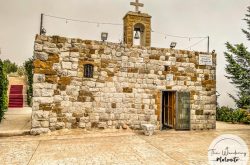
The church was built in 1860 over an older church, with the overseeing of Fr Maroun Al Alam. It was consecrated by Boulos Moussa Archbishop of Tripoli. The structure was restored in 1884. The church holds three altars: the main one is dedicated to the Virgin Mary with a painting drawn by Dawoud el Qorm dating back to 1884, The Immaculate Heart of Mary, and St Joseph.